
You have no items in your shopping cart.
Loading...

When it comes to buying a caravan heater, you generally have two options; a diesel-powered heater or a gas-powered heater. Caravan heaters allow you to enjoy the great outdoors even if the temperatures are a bit low. But the question is, which type of caravan heater should you choose? Well, it all depends on a couple of factors such as the temperature in the area you’re travelling, the type of setup you have in your caravan, and how you like to travel in general.
To get a better idea of the right caravan heater for you, we’ll break down the pros and cons of both diesel heaters and gas heaters to help you make an informed decision.
Diesel heater
Caravan Diesel heaters are the most common types of heaters that caravanners use in Australia. The way it works is it draws cold air from an external intake pipe which goes into the heater's combustion chamber. The air mixes with the diesel before being ignited to heat up a large portion of the heater’s heat exchanger.
The combustion exhaust air is separated from the inside cabin air and is blown outside through an exhaust pipe. From there, the heater’s internal blower motor draws cool cabin air past the heat exchanger, thus heating it before being blown back inside again to continue warming up your caravan’s interior.
Let’s take a look at the pros and cons of a diesel heater.
Pros of diesel heaters
Accessible fuel source: One of the major advantages of using a diesel heater is that you have a readily available fuel source. This is especially true if you own a diesel vehicle. The heater gets its fuel directly from the vehicle’s tank which you can easily fill up at a service station.
High efficiency: Caravan diesel heaters are known for its low rate of fuel consumption and are very efficient when it comes to heating.
Easy installation: Diesel heaters are very easy to install. Because they don’t have a flue that goes through the wall as gas heaters do, the installation process is quite flexible.
Caravan preheating: Diesel heaters allow you to preheat your caravan’s interior while you’re driving. This is great for when you arrive in the high areas and the temperatures start dropping.
Zero humidity/condensation: Diesel heaters produce clean, dry heat, which means you don’t get any humidity or condensation that gas heaters come with.
Cons of diesel heaters
Requires a diesel fuel tank: For gas-powered caravans, this means that you’ll need to have a diesel fuel tank if you want to use a diesel heater. Again, not a problem if you own a diesel engine vehicle.
Expensive: The upfront cost of a diesel heater can prove quite expensive. But the costs can potentially be offset by the heater’s fuel efficiency which is something to keep in mind.
Noisy operation: Noise can be minimised by selecting quality units and ensuring they are installed properly.
Gas heater
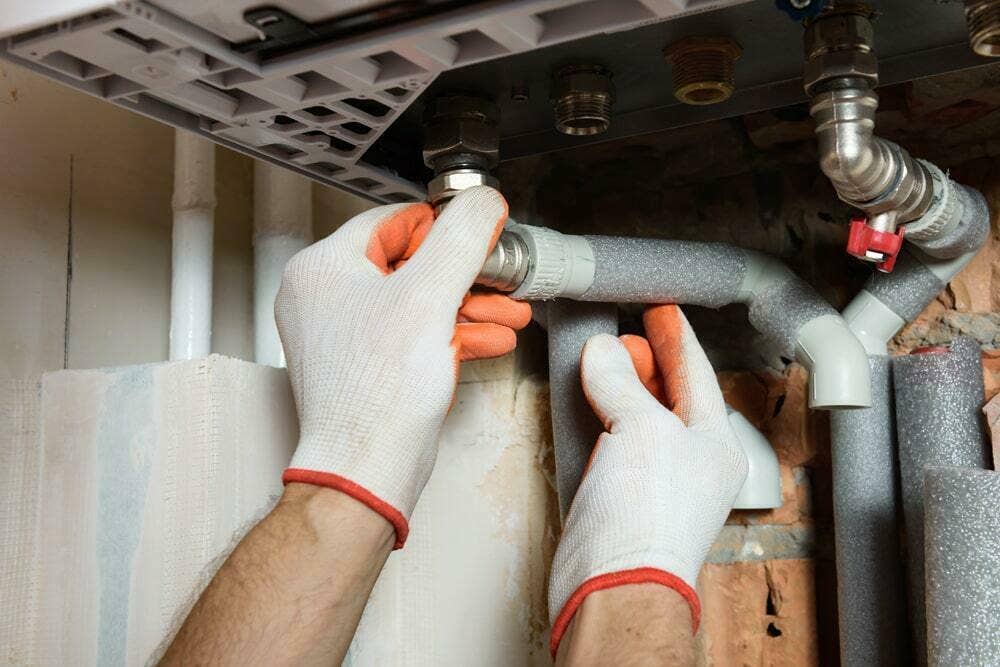
Gas heaters work pretty much the same way as diesel heaters except the fuel used is liquid propane. They’re connected to gas bottle that’s kept inside a sealed compartment. One main benefit of gas heaters is that they run independently from your vehicle’s engine, thus providing you with an economical heat source.
You may have heard of caravan gas heater as fuel guzzlers and that they’re quite expensive to run. That’s not exactly the case, especially with newer models that offer higher levels of efficiency and much lower power consumption. In fact, most modern gas heaters can heat your caravan’s interior in just 30 minutes. Let’s take a look at the pros and cons of gas heaters:
Pros of gas heaters
Setup is already in place: If you’re using a gas-powered cooker or a three-way fridge, the infrastructure is already there. It’s like the same with a diesel-powered vehicle where you already have access to the fuel source if you use a diesel heater.
Uses an independent fuel source: Since a gas heater runs off a separate fuel source, you don’t need to worry about your diesel tank and finding a service station nearby.
Quiet operation: Gas heaters are generally quieter than their diesel counterparts which are great if you’re trying to keep the noise levels down.
Cheaper upfront costs:
Cons of gas heaters
Strict regulatory requirements: One huge downside to gas heaters is the strict installation requirements. Gas bottles can only be installed by a licensed installer for safety purposes. This means that if you don’t have a gas-powered infrastructure in place, you will have to hire someone to install the gas bottle and the heater for you.
Increased demand for gas supply: While gas heaters have become more energy-efficient, the increased demand for gas supply could potentially be a problem if you’re camping in an area with limited gas refill stations.
You need to choose options for your item for estimaste shipping
