
You have no items in your shopping cart.
Loading...

We all know RV camping can be one of the truly great ways to spend time away from the hectic pace of life and see what this glorious, fascinating land of Australia has to offer. But it can all too easily turn into a nightmare, without some careful thought and preparation beforehand. And nothing could be more disruptive or potentially dangerous than having electrical issues with your RV and external supply. To prevent any mishaps or spoiled holidays, here are some professional electrical safety tips for RV campers to ensure your electrical supply is safe and functional from our team of experts at RV Parts Express.
No matter whether you are using your RV regularly and taking it out once a month, or mothballing it for months on end to be used for two weeks in the spring, it is crucial to keep performing your essential checks and maintenance. Power cords, in particular, feel nice for rodents and other creatures to gnaw on and can get damaged very quickly. Frayed, damaged wires are exceptionally dangerous, both in terms of giving electric shocks and potentially starting fires, so be vigilant and do not neglect your electrical components and their associated wiring for any length of time.
The advice for checking cords and connectors carefully also applies once you arrive at your chosen campsite and prepare to hook up to the supply. You have no way of knowing whether regular inspections and maintenance are being carried out so don't be afraid to do a spot of checking for yourself. Invest in a good quality RV/caravan surge protector or energy management system (EMS) and inform the site manager of any issues you find.
If the worst happens and you find yourself with an electrical fire onboard your RV, time is of the essence. We are all too aware of how quickly a fire can spread, and the last thing you need in a crisis is to be reading the side of your fire extinguishers, checking if they're suitable for electrical fires and how to operate them. It is your duty as a serious RV enthusiast, responsible for your own safety and that of your fellow travellers, to be fully aware of the uses of each of your fire extinguishers, exactly how to operate them, and when.
The amount of devices requiring chargers and plugs any typical family might expect to carry can be startling in the modern age, and it is important to be aware of this and stagger charge times accordingly. It also makes sense to place them strategically, phones and tablets do not drain huge amounts of current, but if you are running a toaster oven from the kitchen outlet, it is unwise to add other devices to that particular point. At the very least, you risk blowing your fuses and creating aggravation, and at worst, fires and potential electrocutions.
It should be reasonably straightforward to add up the wattage of each device you have onboard. Balance this sum against the amount your site offers (ask if not advertised), and stagger accordingly.
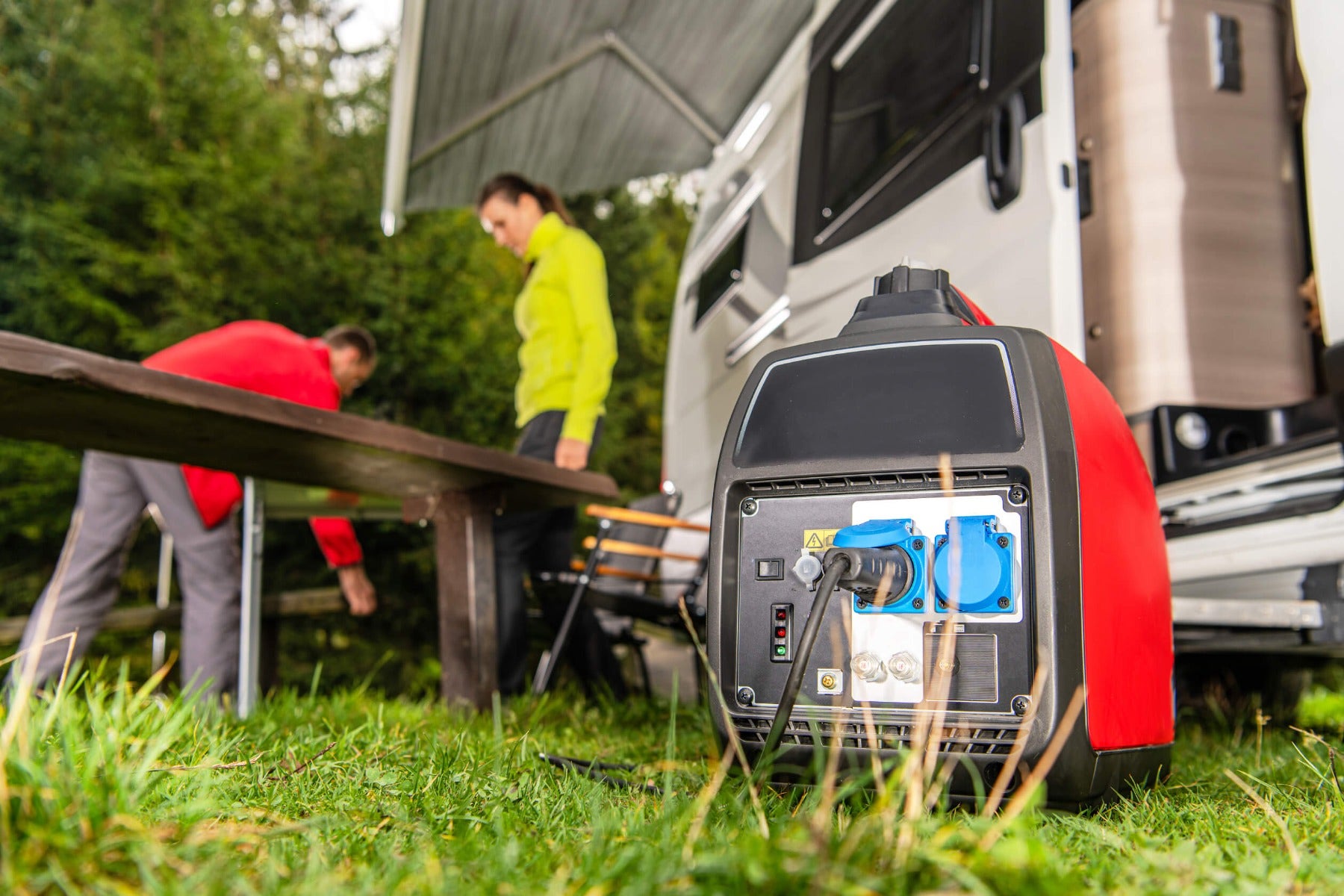
In places where you do not have access to external power sources, you will need to rely on your generator for all your electrical needs. Consider whether the device you plan to plug in is essential at that moment or can wait until later. Doing the ironing using generator power might not be the best use of its limited supply.
The condition known as RV hot skin is a deadly one, that catches a lot of RV users tragically unaware every year. Through faulty, loose, or damaged wiring, the electrical current supply to the RV is diverted to the frame, chassis, or any metal parts which then become live. This is exceptionally dangerous, and any grounded contact with the RV itself is now potentially fatal. Some causes of hot skin include:
Unfortunately, many individuals only find out as it is already too late that their vehicle is a death trap Any signs at all your RV might be conducting electricity, such as small shocks or unusual electrical activity, should be thoroughly investigated before going any further. Test your RV safely using a non-contact voltage tester, then unplug it at the source and seek assistance.
RV camping is one of the most life-affirming, quintessentially Australian ways to spend our treasured free time. There is no reason to allow thoughts of electrical and other hazards to ruin the sense of calm and escapism it can provide. With regular maintenance checks and some useful equipment, it should never be an issue that catches you unawares.
Safety first at all times. Always take the necessary precautions and actions to fully protect against accidents, and the rest and relaxation afterwards will be all the sweeter.
Here at RV Parts Express, we have all kinds of electrical equipment that is perfect to complement your big RV camping trip and make sure it is a safe, incident-free success. Why not spend a few moments and browse through our superb range? We know you will be impressed by the quality of items we provide and recognise we are a company of camping enthusiasts at heart. Please get in touch with any questions, feedback, or comments, and our dedicated team will be happy to help.
You need to choose options for your item for estimaste shipping
