
You have no items in your shopping cart.
Loading...

For those who love to experience the great Australian outdoors and all the wonders it provides, the concept of using an RV to explore is not a new one. What might be a little more unusual for some is the experience of using that RV to go free camping. In this article, we will take a deeper look at how to free camp safely and responsibly, providing tips and tricks supplied by our incredibly experienced, knowledgeable staff here at RV Parts Express. But first things first:
free camping is the term for camping or parking your RV in a location that has no access to any of the utilities and supplies you would expect to find at any regular campsite, including:
When you're free camping, you're on your own, and that's the whole point, you're not just unhooked from the amenities, you're not even anywhere near them. This makes it a different experience from parking at a campsite and simply not hooking up to the facilities, it is a much more authentically wild experience in many ways, and you might sometimes hear it referred to as ’wild’ or ’primitive’ camping. As experiences go, we highly recommend all RV enthusiasts try it out at least once to see how they like it but be aware it does not come without certain risks.
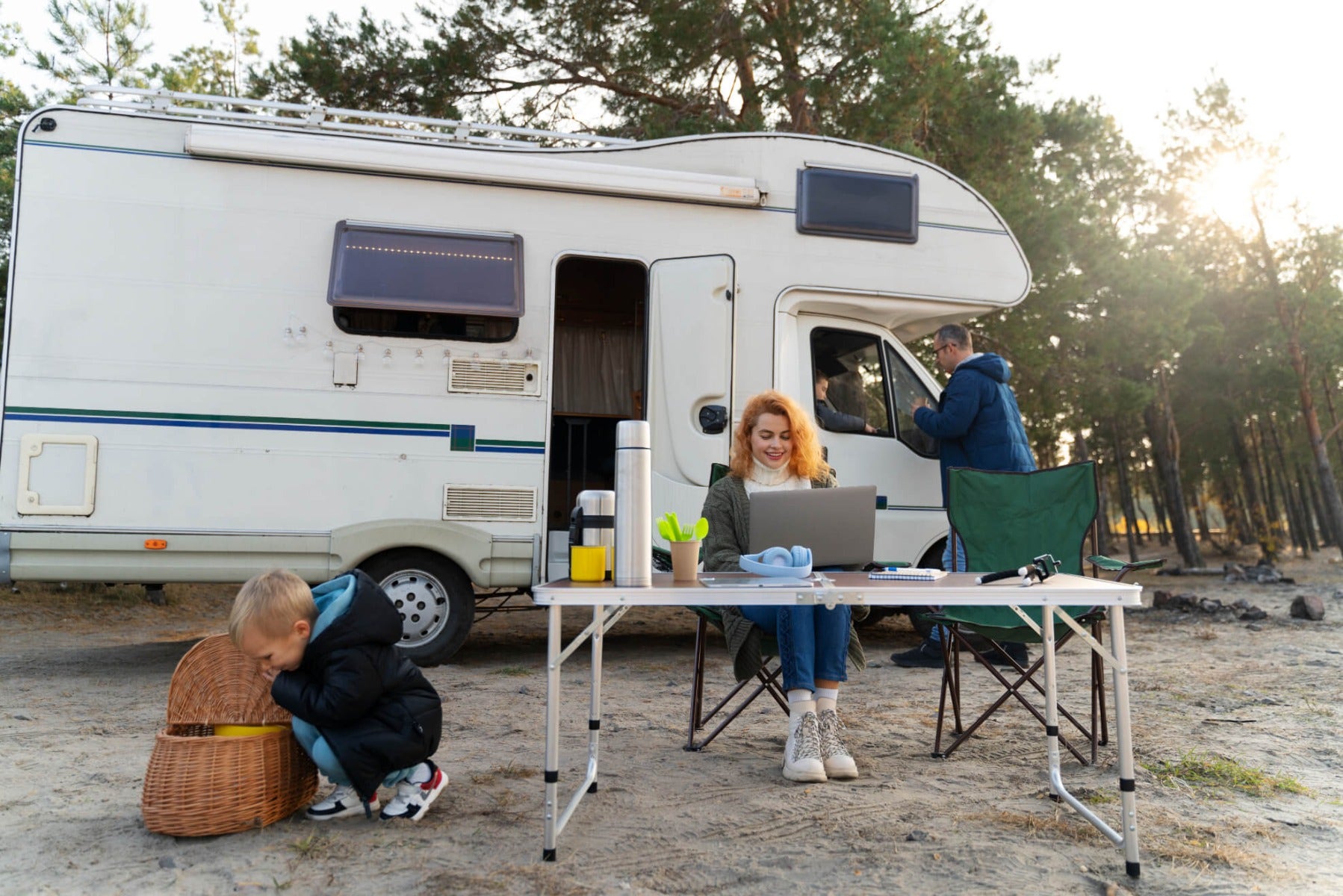
Free camping is not an activity recommended for seasons when the temperature is expected to be extreme, making it an issue for large swathes of Australia. Your supply of electricity will dwindle pretty rapidly if you run an air-conditioner 24/7 or a heater in colder areas. Be sensible and accept the limitations of free camping in places where the environment can be punishing and even fatal. Check weather reports and do not attempt a trip of this nature if the following seem likely:
If there have been recent heavy rains, think about how that may have affected any less-travelled routes you might want to take for your escape into the wilderness. Mud is not an RV's friend, and if the roads are impassable or reduced to muddy streaks, it is not the time to take a heavy, long wheel-based vehicle along them unless absolutely necessary.
free camping can be somewhat intimidating, especially for the inexperienced, but it can also be invigorating and exciting. The key to a safe, successful free camping experience is in the preparation, especially in a rugged, wild country like Australia that can so easily overwhelm and incapacitate those not expecting it. Making mistakes and adjustments based on your experiences is all part of the fun, but there are some mistakes you cannot afford to make even once. Know exactly how long you will be off the grid and cover yourself if something unforeseen happens to extend that period. Pay particular attention to the following:
Use your common sense and picture a situation where you find yourself stranded for a few days. What other items are you likely to wish you had brought along?
There is no single more important resource to carry than fresh water and it must never be taken lightly or neglected. Nothing will cause issues faster in the brutal Australian heat than being short on water, and it is your responsibility to ensure you have more than enough for the trip you plan to make. It is exceptionally difficult to predict exactly how much you will need but think of it this way - an average person exerting themselves lightly in high temperatures can lose up to 4 litres of water per hour.
Even the slightest exertions in high temperatures are going to result in disproportionate fluid loss, and you need to be prepared for that. Carry the maximum amount your onboard water tank will allow and bolster your supplies with bottled water until you are confident you have enough. Then add some more. When you are away from a plentiful freshwater supply:
Running out of water is no joke at any time, but in the harsh Australian wilderness, it can become a death sentence in hours rather than days. Be aware and never neglect your water supply.
Generators are perhaps the most common/convenient way to supplement your RV’s power requirements and provide a strong, stable supply at a reasonably economical cost. However, they do not come without certain considerations and downsides, namely:
Unless you intend to bury your toilet waste a minimum of 20cm deep and at least 60m from any trails, water sources, campsites, and residences, you will need to use your onboard toilet, carrying the waste away. And that’s fine, after all that’s what it’s for, but be aware of the maximum capacity of your sewage tank and adjust your schedule of isolation accordingly.
When parking in the great outdoors, away from civilisation and traffic, there are some important factors to consider. Ask yourself:
The last thing you want in the middle of the night is to be rudely awakened by the night-shift guys at the local mine, angry at you for blocking their way to and from work. Try to get your vehicle as far off the road as possible without risking it getting stuck in mud or rolling down overgrown embankments.
Safety first. You've done all your thinking, planning, and preparation and are confident it is an appropriate time to go free camping. Now share your whole planned itinerary with a trusted friend or family member and make sure they understand the severity of the situation if they do not act as agreed. Stipulate a period of time after which they will alert the authorities and inform them you have not checked in. At the last point you can before going off the grid, contact them, give your exact position and make it clear you are now heading into the danger zone.
RV Parts Express has an enormous range of specialised equipment, accessories, and gadgets to enhance your experience of learning how to free camp and make it as safe, comfortable, and enjoyable as possible. Take a few moments to browse the site, and we think you will be impressed by the quality and variety of our products. Please do not hesitate to get in touch with any feedback, questions, or comments; we will be happy to help.
You need to choose options for your item for estimaste shipping
