
You have no items in your shopping cart.
Loading...

Retirement opens up the perfect opportunity to explore Australia at a more relaxed pace, making every adventure truly memorable. The right caravan gives you the freedom to travel while keeping all the comforts of home close at hand.
But here's the thing: your caravan choice needs to match your travel dreams, comfort needs, towing capacity, budget, and maintenance preferences. Get these factors right from the start, and you'll set yourself up for years of practical, enjoyable caravanning adventures.
Define Your Touring Style and Platform
Your travel style shapes every caravan decision you'll make. Planning long cross-country adventures? You'll need greater comfort, durability, and storage capacity to stay self-sufficient for weeks at a time.
Prefer shorter weekend getaways? Focus on easy towing and quick setup instead. You won't need massive water tanks or heavy-duty construction for these trips.
Next, choose the platform that fits your lifestyle. Traditional towed caravans offer that proper home-away-from-home feeling with full amenities, but you'll need a decent tow vehicle and might struggle at smaller campsites.
Pop-tops and camper trailers are lighter and easier to store. They tow like a dream but sacrifice interior space and require more setup time.
Motorhomes combine travel and accommodation in one package. Day-to-day mobility becomes effortless, especially when exploring multiple destinations without the hassle of unhitching. The downside? Higher upfront costs and different parking requirements.
For retirees wanting peace and quiet away from the crowds, think about off-road capability and size. Compact or semi-off-road models can access remote campsites and national parks that larger vans simply can't reach.
Choose a build and platform that supports where you actually want to go. Your caravan should open doors to Australia's hidden gems, not close them.
Get the Size and Layout Right
Most popular caravan sizes run between 3.3 metres (11 feet) and 7.3 metres (24 feet). Anything shorter than 3.3 metres feels too cramped for most people, whilst smaller caravans are definitely easier to tow and store.
A typical setup you'll see everywhere is a pop-top caravan around 4.6 to 4.9 metres long. This usually includes an island double bed, compact lounge area, and front kitchen. It's popular for good reason, but don't treat it as gospel for your needs.
Think about the trips you'll actually take in the future. Longer adventures and frequent travel demand better day-to-day comfort and smarter internal design. If standard layouts don't work for your lifestyle, custom design options exist to meet your specific travel requirements.
Planning for both current and future needs prevents costly upgrades later. Your caravan should grow with your travel ambitions, not limit them.
Prioritise Comfort, Accessibility and Liveability
A comfortable bed that suits your body and sleeping habits is absolutely vital for extended trips. You need proper rest to genuinely enjoy your time on the road.
If space allows, choose layouts that provide a separate sleeping area rather than cramming everything into one multipurpose space. Adequate living areas, like a proper lounge where you can relax for hours, make all the difference on those inevitable rainy days when you're stuck inside.
Your kitchen setup matters more than you might think. Position appliances for easy access and smooth movement around the space. This simple planning makes daily meal prep far less taxing and keeps you happier on long adventures.
Accessibility becomes increasingly important as time goes on. Step-free entry eliminates trip hazards and reduces strain, particularly as your needs change. User-friendly bathroom facilities work best - think walk-in showers and handrails if needed.
Make sure storage stays accessible without awkward bending or reaching. Well-placed cupboards and drawers should house items you use every day, not force you into uncomfortable positions to grab basic necessities.
For frequent and long journeys, invest in durable finishes that can handle repeated use and travel vibrations. Genuine timber cabinetry or higher-grade materials will retain their appearance and functionality much longer than lightweight chipboard alternatives.
Before making final choices, distinguish between must-have features that genuinely support your comfort and those that are simply nice to have. This approach helps you avoid overspending on equipment you may never use, whilst ensuring you don't miss out on essential comforts.
Getting this balance right creates a caravan that delivers lasting comfort, convenience, and enjoyment throughout all your travels.
Match Van to Tow Vehicle and Towing Realities
Before settling on any caravan, always check the towing capacity of your existing vehicle. This crucial figure, found in your vehicle's handbook or specifications, immediately sets the safe upper weight limit for your caravan options.
Disregarding tow ratings can be unsafe and void insurance whilst breaching local laws. This makes towing capacity non-negotiable.
Weight isn't the only factor to consider. The caravan's shape and height directly affect both handling and fuel efficiency while towing.
A tall or boxy van creates more wind resistance, leading to increased fuel consumption and a harder towing experience, especially on highways or exposed roads. Streamlined designs, like pop-tops, minimise drag and improve stability, often making for a safer and more affordable journey.
If your preferred caravan exceeds your vehicle's towing ability, calculate the true financial and practical impact of upgrading your tow vehicle. Newer or larger vehicles bring added costs including higher purchase price, ongoing running expenses, and possible changes in registration and insurance.
These costs could potentially erase the benefits of your caravan upgrade.
Finally, speak openly with dealers about how different layouts and features may alter the van's loaded weight and towing dynamics. Elements such as large water tanks, extra batteries, or heavy fit-outs add significant mass and may push a van over your vehicle's stated limits.
Direct, honest conversations ensure you stay compliant and enjoy confident, worry-free travel
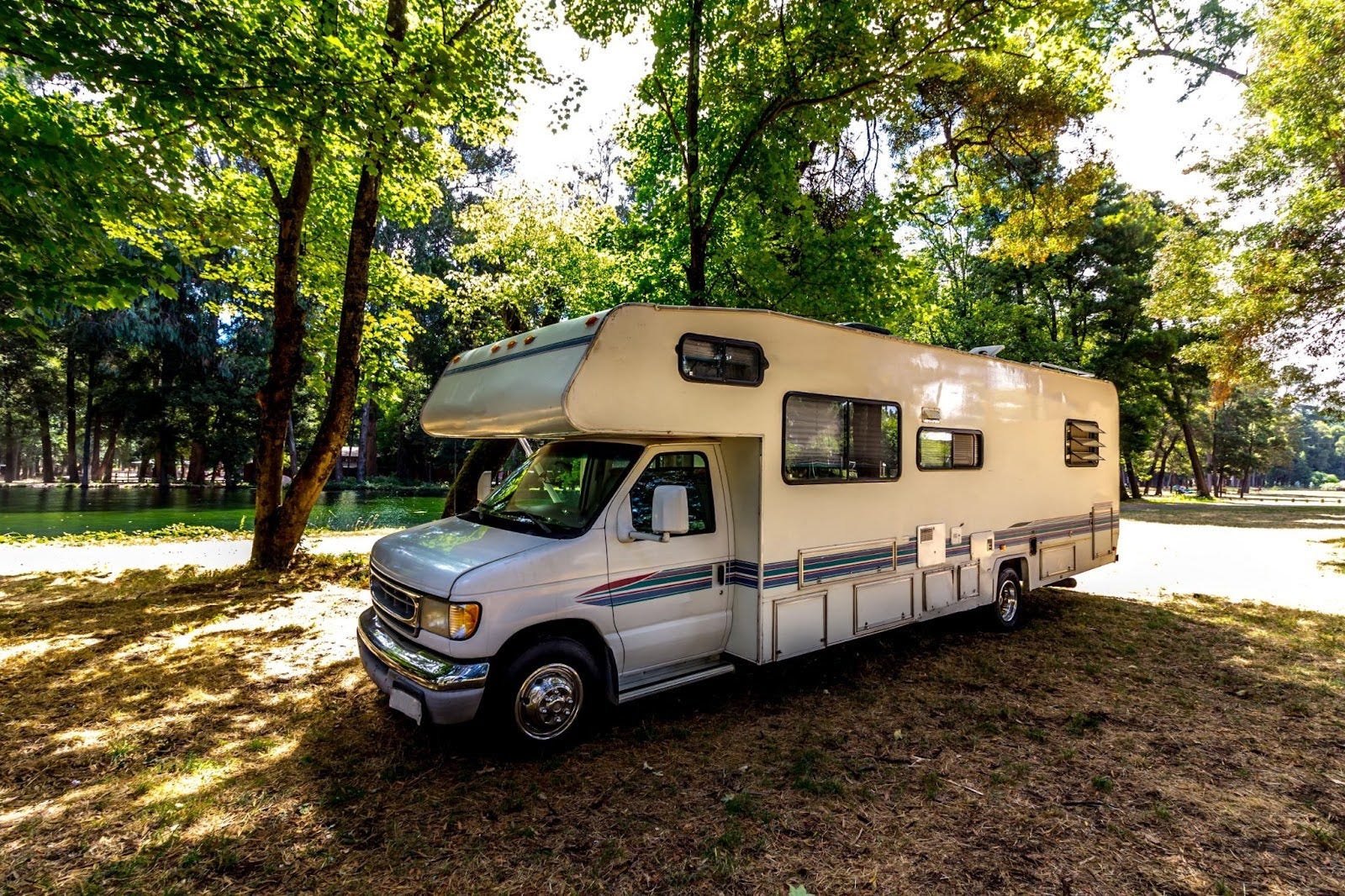
Choose the Body Style: Full-Height, Pop-Top or Camper Trailer
Pop-top caravans make perfect sense if you're dealing with limited storage height like a low carport or garage. With the roof closed, they slip into spaces where full-height vans simply won't fit.
You'll also notice the difference on the road. That lower profile cuts wind resistance, which means better handling and less fuel consumption during long hauls.
The trade-off? Pop-tops only come in small or medium sizes, so you're looking at tighter interior space and fewer amenities compared to full-height models.
Camper trailers attract people who value simplicity and compact storage. They tow easily and won't give you grief whilst manoeuvring into tight spots.
But here's the catch: every time you want to camp, you're looking at a full setup routine. This makes those spontaneous roadside stops less appealing and can slow down your settling-in process after a big day of driving.
Your choice between full-height, pop-top, or camper trailer comes down to three key factors: storage space at home, how easily you want to tow, and the setup effort you're willing to handle.
Think about how these impact your daily comfort and travel flexibility, especially on those longer adventures. Pick the body style that gives you the right balance of practical touring and everyday comfort for your specific needs.
Road Capability, Suspension and Off-Road Readiness
Your suspension system plays a huge role in comfort and how well your caravan handles different road conditions. Independent suspension gives you a much smoother ride and protects both the van and everything inside from constant jolting.
If you're planning lots of travel on rough surfaces or just want the most comfortable ride possible, this is your best bet.
Basic solid axle and leaf spring setups are tough and straightforward. They're perfect if you're mainly sticking to sealed roads or gentler touring routes. These systems are easy to maintain and won't break the bank.
For regular adventures on rough, unsealed, or corrugated roads, you'll want an off-road or outback caravan. These come with serious upgrades like comprehensive dust-proofing, heavy-duty reinforced bumpers, and stronger chassis components that can handle harsh conditions.
Always match your caravan's suspension and build quality to where you actually plan to travel. The right choice keeps you safer, makes journeys more enjoyable, and reduces wear on both your vehicle and equipment.
Budget for Purchase and Ownership
Create a comprehensive budget that goes well beyond the initial purchase price. Include insurance premiums, regular servicing costs, registration fees, and fuel expenses. Proper budgeting stops unexpected costs from ruining your travel plans.
Focus on features you'll genuinely use rather than flashy extras. Quality pre-owned caravans often deliver exceptional value, allowing you to secure essential comforts like a proper bed or reliable heating system whilst staying within budget. Skip paying extra for gadgets you'll rarely touch.
Be honest about your maintenance preferences and capabilities. If spending weekends on repairs doesn't appeal to you, consider a newer or lower-maintenance model, even if it costs more upfront. This choice often saves both money and frustration over time.
Before purchasing, research trusted local providers for servicing, repairs, and spare parts. Establishing a relationship with a reliable RV parts supplier in Australia and other service providers near home or along your regular travel routes reduces downtime and keeps every trip safe and enjoyable. This groundwork ensures smooth ownership from the very start.
Research Smartly and Learn from Others
Smart research combines surveying the caravan market with learning directly from the experiences of others. Before choosing, compare models and features online, then make time to attend caravan shows.
These events allow you to inspect various layouts in person and ask specialists detailed questions. Joining online forums such as those dedicated to Australian caravanning gives access to unbiased owner feedback, helping you uncover which brands and models consistently deliver reliability and comfort for your style of travel.
Speaking with seasoned caravanners, both online and at parks, gives you first-hand insight into real-world longevity and common issues with specific vans. Owner reviews are especially valuable for identifying manufacturers with strong reputations for build quality, aftersales service, and long-term durability.
These are key factors for stress-free touring. Many buyers use this feedback to avoid brands with high failure rates or poor dealer support, saving both time and money.
When talking to dealers, clarify which optional features can be added later. This approach allows you to prioritise essential fittings at purchase and defer less critical upgrades, making budgeting for future enhancements much easier.
By taking advantage of collective experience and knowledge across shows, forums, and direct conversations, you'll significantly reduce the risk of purchase regrets and ensure your caravan matches your needs from day one.
When an Independent Caravan Broker Can Help
An independent caravan broker gives you truly impartial advice based on your lifestyle, travel plans, and budget rather than pushing any particular brand or dealership agenda. They listen to what you actually need, filtering out caravans that don't suit your circumstances whilst recommending models that match your comfort and travel goals.
Using their market knowledge and established industry connections, brokers save you countless hours of research. They access both advertised listings and off-market caravans, so you get opportunities that might otherwise slip by unnoticed. This removes much of the stress and uncertainty from your search, giving you well-matched options selected specifically for your needs.
Negotiation often becomes a major sticking point. Experienced brokers handle price discussions, advocate for fair value, and frequently secure better deals thanks to their industry knowledge. They also guide you through contracts, warranty coverage, and compulsory paperwork, reducing risk and confusion at every step.
Support doesn't stop at the sale. A quality broker provides ongoing advice about maintenance and warranty claims, so you have reliable help if issues arise later. This after-sale relationship helps ensure long-term satisfaction and reduces future headaches as you settle into caravan ownership.
Practical Pre-Purchase Checks for Retirees
Start by confirming your caravan's weight and dimensions fit your specific situation. Check the van's loaded weight against your vehicle's tow capacity. Going over this limit is dangerous and will void your insurance coverage.
For storage, measure your carport or garage height and length carefully. This is especially important when choosing between pop-top and full-height models. Pop-tops often squeeze into spaces where larger vans simply won't fit.
Test all accessibility features before you buy. Try the main door and steps for height and ease of use. If mobility matters to you, check whether bed access feels straightforward and if you can use the bathroom comfortably and safely.
Walk through the internal layout as if you're living in it during a long trip. Sit at the lounge and check if the seats support you properly. Test the kitchen workflow too. Can you reach appliances and store utensils without awkward bending?
Daily comfort makes all the difference on extended journeys.
If you're planning trips beyond sealed roads, inspect the caravan's suspension and overall off-road capability. Look for features like independent suspension, reinforced chassis, and proper dust-proofing for rougher routes.
Ask which features come factory-fitted and which can be added later. This is particularly important if you might need mobility aids or extra storage down the track. Choose interior finishes and fittings that will handle frequent use and travel vibrations.
Finally, factor in total ownership costs, not just the purchase price. Include insurance, registration, regular servicing, and potential repairs in your budget.
Identify trusted local service centres before you buy. Having reliable support is crucial for safe, uninterrupted travels.
From Dreaming to Doing: Your Retirement-Caravan Action Plan
Ready to turn your retirement caravan dream into reality? Here's a practical step-by-step approach that cuts through the confusion and gets you on the road.
Start by getting crystal clear about your travel plans. Long adventures around Australia need different gear than weekend escapes close to home. Match this with the right caravan type: full-height models for maximum comfort, pop-tops for easier storage and towing, or off-road builds for remote destinations.
Your caravan's size and layout must work for your daily comfort and any future accessibility needs. Look for step-free entry, walk-in showers, and layouts that won't feel cramped during extended stays. These features become increasingly valuable over time.
Before falling in love with any caravan, check your vehicle's actual towing capacity. Exceeding this limit creates safety risks and voids insurance. If your dream van is too heavy, factor in the real cost of upgrading your tow vehicle before you commit.
Create a complete ownership budget that includes purchase price, insurance, registration, servicing, and running costs. Focus spending on essential comfort and safety features rather than fancy extras. Pre-owned caravans often deliver exceptional value if you budget for maintenance.
Research thoroughly by attending caravan shows, using online comparison tools, and speaking with experienced owners. An independent caravan broker can streamline this process by filtering options, handling negotiations, and providing unbiased advice that matches your specific goals.
Always inspect your shortlisted caravans in person before buying. Test the layout, comfort, and functionality as if you're already living in it. Have your servicing plan sorted from day one to protect your investment.
Once you've ticked all these boxes, you'll have built the foundation for years of confident, enjoyable caravanning adventures.
