
You have no items in your shopping cart.
Loading...

There are few places on Earth where it pays to be more aware of the extremes Mother Nature is capable of producing than Australia. Here at RV Express, we put together a list of precautionary steps you should consider before embarking on any RV trip and how to best prepare yourself for the worst Australia can throw at you. The first of these applies no matter where you are going or whether any troublesome weather is even expected:
Give someone you trust your intended itinerary and stick to it as closely as possible. Australia is vast and adventurous types might explore places nobody will go for weeks or even longer. Give authorities the best chance of finding you in an emergency by reducing the area they need to search. Modern satellite phones and GPS systems are also highly recommended and have saved lives on numerous occasions.
Australian weather can be highly unpredictable and even if reports tell you it will be days of nothing but great driving weather, you should prepare for the worst. If predictions show the chances of extreme weather are
high, simply do not go; the risks involved are no joke and can easily lead to severe injury or worse.
Give your mobile home the respect it deserves by servicing and maintaining it regularly. This advice also applies to caravans and is one of the best ways to keep your caravan safe in severe weather.
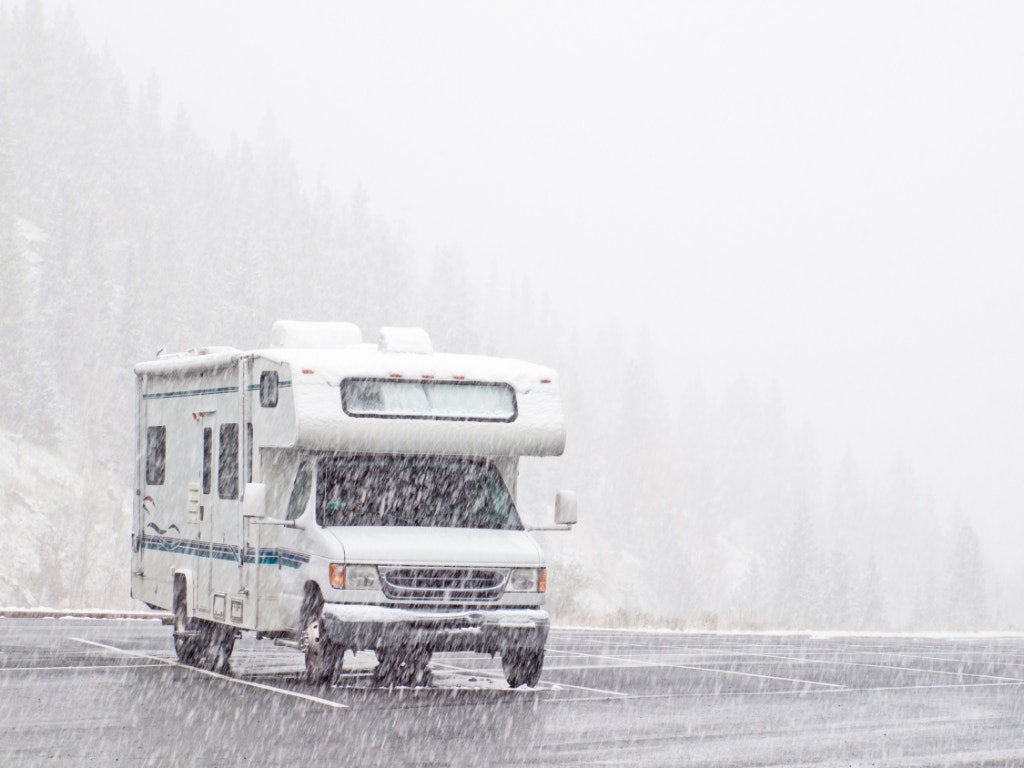
Tropical storms bring unusually strong winds and are particularly hazardous to those camping in tents, caravans, and even RVs. It may seem an RV would stand up to strong winds but that is not necessarily true; their surface area is extremely large and they are not the most aerodynamic vehicles. Most insurance claims on RVs come through damage from strong winds and towing a caravan under these conditions is highly dangerous. Some things you can do to protect your RV or caravan from strong winds include:
Flash floods are hard to predict as it may be raining elsewhere and not at your location, discuss the steps you will take in the event of flooding beforehand and be ready to act at a moment’s notice. The immense power of moving water is not easily combatted but a few sensible precautions may help in an emergency:
One thing you underestimate at your peril in Australia is the heat as it is brutal and deadly for the under-prepared. You must carry as much water as you can at all times, at least 8 litres per person, per day minimum plus extra for emergencies. There are some other things you can do to mitigate the effects of extreme heat:
Extreme heat brings with it another deadly danger you should constantly be ready for:
Bushfires are no joke and have claimed many lives over the years. You must account for them and be prepared:
Your only real defence against wildfires is to flee, so discuss emergency procedures with your fellow travellers before you depart. Know exactly where your keys are at all times and under no circumstances try to save your belongings and repack the RV if a fire is coming. They move incredibly quickly in the dry, brittle Australian wilderness and can overwhelm you rapidly. Save yourselves, possessions can be replaced.
Here at RV Parts Express, we have all the safety equipment, accessories, and other supplies you could ever need on your big adventure. Being prepared is one of the best ways to keep your caravan safe in severe weather and it is always better to over-prepare than under and end up regretting it. Please spend some time browsing our incredible range of camping equipment and do not hesitate to get in touch with any questions.
You need to choose options for your item for estimaste shipping
